Understanding Shower Doors UK: Types and Styles
The right selection of shower doors uk can transform your bathroom into a serene sanctuary. With various styles and materials available, understanding the options can significantly enhance both aesthetics and functionality. In this section, we will explore the different types of shower doors typically found in the UK market and how they cater to diverse needs and preferences.
Frameless vs. Framed Shower Doors UK
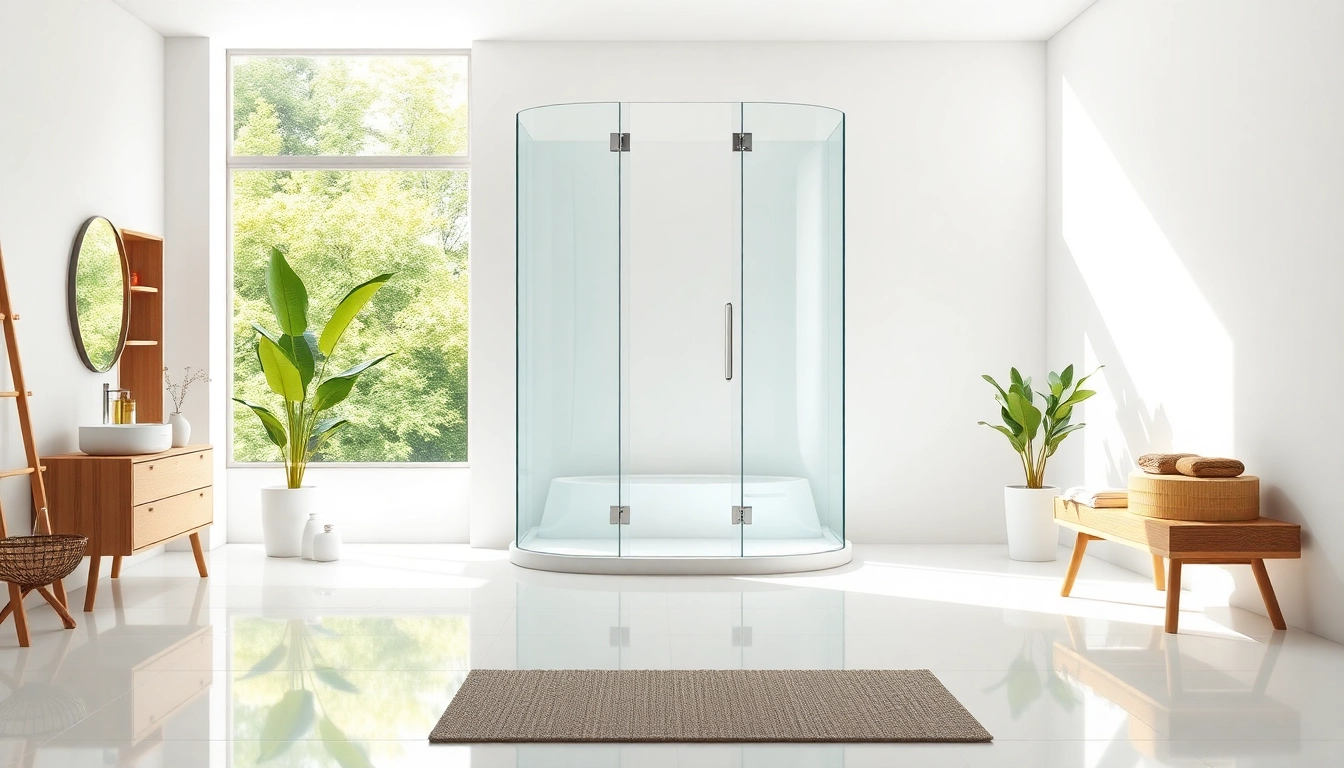
Choosing between frameless and framed shower doors is a pivotal decision when designing your bathroom. Frameless shower doors offer a sleek, modern appearance, emphasizing the beauty of tile work and creating an illusion of space. They are less obstructive and often made of thicker glass for improved durability.
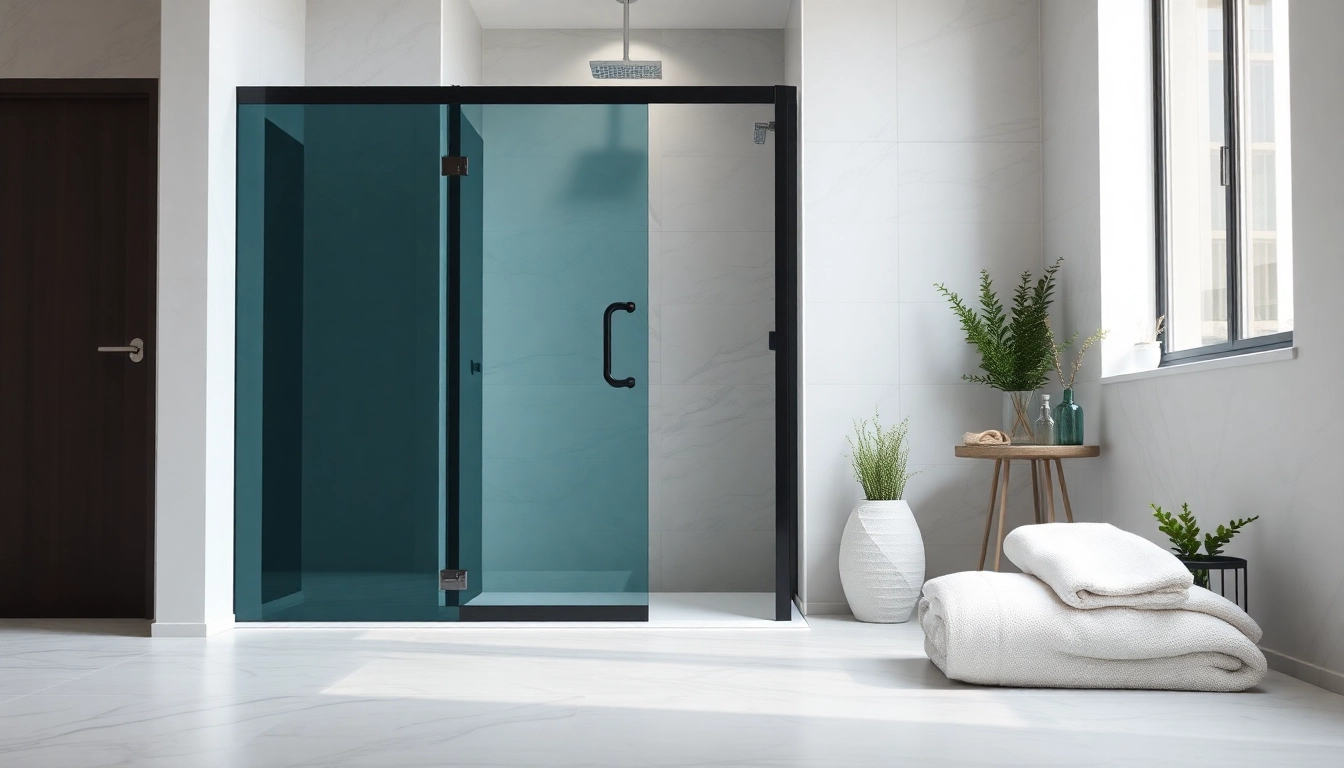
On the other hand, framed shower doors come with a metal frame that supports the glass panel. This traditional design provides strength and seals better against leaks, making them a safer option for families with children. The frame comes in various finishes, allowing homeowners to match their décor seamlessly.
Sliding vs. Hinged Options
When it comes to functionality, the choice between sliding and hinged shower doors will significantly impact your experience. Sliding doors are excellent for small spaces as they operate on a track and do not require additional space to swing open. They are ideal for compact bathrooms or enclosures with limited room to maneuver.
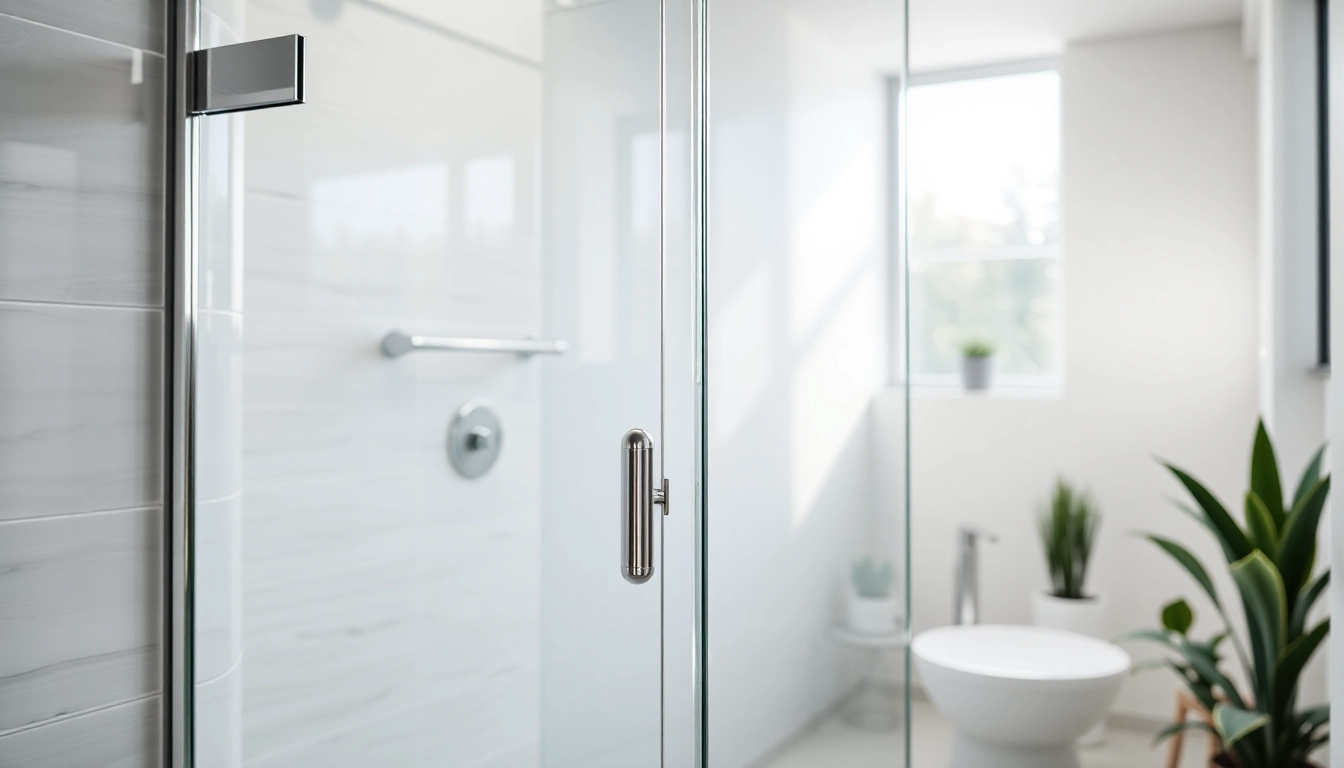
Hinged doors, however, provide a classic and elegant touch. These doors swing open outwards and are often associated with luxurious installations. Although they require more space, the accessibility and ease of cleaning they offer are unrivaled, making them a popular choice among homeowners seeking both style and practicality.
Material Choices for Durability
The materials used for shower doors are critical to their longevity and functionality. Tempered glass is a popular choice due to its high resistance to thermal shock, preventing breakage from sudden temperature changes. Common thicknesses range from 6mm to 10mm, with thicker glass providing enhanced strength and durability.
Other materials like acrylic and fibreglass may also be considered, particularly for budget-conscious renovations. While these materials can mimic the look of glass, they often require more maintenance and can be less durable over time. Ultimately, the choice of material should reflect not just aesthetic preferences but also your lifestyle and willingness to maintain them.
Choosing the Perfect Shower Doors UK for Your Space
With an array of shower door types and materials available, selecting the right ones for your specific bathroom space can seem overwhelming. Here are some key factors to consider that will guide your decision-making process effectively.
Size Considerations
Before making a purchase, precise measurements of your shower space are imperative. The size of your shower area will dictate whether you choose sliding or hinged doors. For example, larger showers can often accommodate hinged options, while smaller enclosures benefit from sliding doors that require no clearance space. Consider the height and width of your door opening to ensure a perfect fit without compromising on style or functionality.
Design Compatibility with Existing Decor
The overall design theme of your bathroom should heavily influence your choice of shower doors. Whether you prefer a modern or traditional style, aligning the door design with existing fixtures will create a cohesive look. Frameless doors complement minimalist designs perfectly, while framed options can lend a vintage feel, especially in more classic settings. Maintain continuity regarding colors, finishes, and materials across your bathroom suite for stunning results.
Water Efficiency and Maintenance
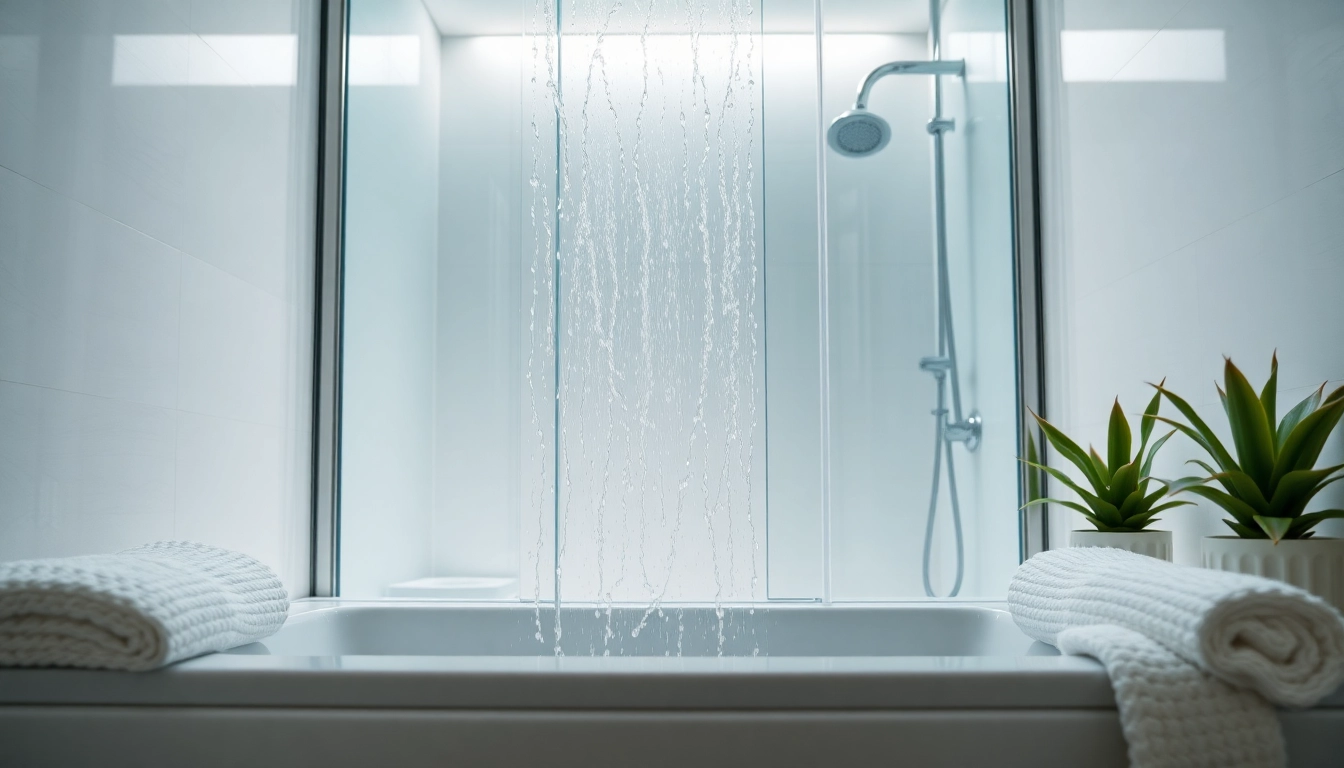
Selecting shower doors that promote water efficiency can help conserve water and reduce your utility bills. Glass doors are often designed to keep water contained within the shower area, minimizing splashing. Furthermore, opting for materials that are easier to clean can save considerable time and effort. Products with protective coatings can help in resisting soap scum and hard water stains, reducing the frequency of deep cleaning sessions.
Installation Process of Shower Doors UK
Whether you’re a DIY enthusiast or prefer hiring a professional, understanding the installation process of shower doors is essential for achieving a successful outcome. Here’s a detailed overview of the installation steps.
Pre-Installation Measurements
Accurate measurements are crucial before initiating the installation of your shower doors. Start by measuring the height and width of the shower opening, taking into account the adjustments needed for the hardware and potential wall irregularities. Document your measurements carefully to ensure that the doors purchased align correctly with the designated space.
DIY vs. Professional Installation
Deciding whether to tackle the installation yourself or to hire a professional hinges on your confidence level in DIY projects. Installing shower doors can be complex, necessitating tools like levels, drills, and silicone sealants. While DIY can save costs, hiring a professional ensures the job is done correctly, reducing the risk of future leaks or damage.
Tools and Materials Needed
If you opt for DIY installation, gather the necessary tools and materials beforehand. Essential items include a measuring tape, level, drill and drill bits, caulk gun, and silicone sealant. Additionally, if your shower doors require specific mounting hardware, ensure these components are available and compatible with your new installation.
Shower Doors UK: Maintenance Tips for Longevity
Efficient maintenance of shower doors not only prolongs their life but also enhances their appearance. Here are several tips to keep your shower doors looking brand new.
Cleaning Techniques for Spotless Glass
Regular cleaning is essential for maintaining clear, spot-free glass. Use a mixture of vinegar and water or a glass cleaner specifically designed for shower doors. Employ a soft cloth or sponge to prevent scratches and buff the surface to a gleaming finish. Regular cleaning reduces the buildup of soap scum, hard water spots, and mildew.
Preventing Water Stains and Build-Up
To prevent water stains, consider drying off your shower doors with a squeegee after every use. This simple act can significantly reduce mineral deposits and soap buildup. Investing in a water softener can also limit the hardness of your water, minimizing the formation of unsightly stains over time.
When to Call for Repairs
Inspect your shower doors regularly for signs of wear and tear, such as cracks or deteriorating seals. If the doors become difficult to operate or show signs of leaks, call for professional repairs immediately to prevent extensive water damage and further complications. Catching issues early on can save time and money in the long run.
Frequently Asked Questions about Shower Doors UK
What are the best materials for shower doors UK?
Tempered glass is typically the best material due to its durability and resistance to thermal shock. Framed options may feature acrylic or fibreglass, which are budget-friendly but less durable.
How do I measure my space for shower doors UK?
Measure the height and width of the shower opening, and account for any irregularities in the walls. Ensure measurements are accurate to guarantee a proper fit.
Can I install shower doors UK myself?
Yes, if you’re comfortable with DIY projects and have the appropriate tools. However, hiring a professional can ensure a flawless installation, especially if complexities arise.
What maintenance is required for shower doors UK?
Regular cleaning with mild cleaners, using a squeegee post-use, and inspecting seals will help maintain your shower doors and prolong their lifespan.
Are sliding shower doors UK more space-efficient than hinged?
Yes, sliding doors operate on a track and do not require clearance for swinging open, making them ideal for smaller bathrooms or tight spaces.