
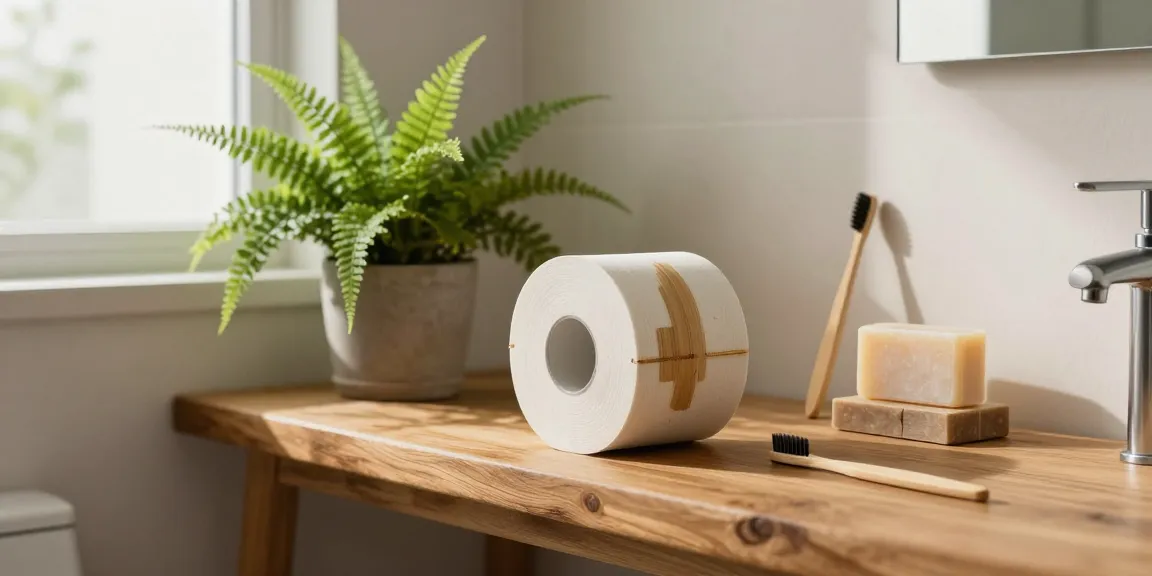
Understanding Bamboo as a Sustainable Resource
Bamboo is gaining recognition as one of the most sustainable materials available today, making it an excellent choice for products such as toilet rolls and kitchen towels. As environmental concerns continue to rise, many consumers are seeking alternatives to traditional paper products that contribute to deforestation and ecological degradation. One standout solution is the BAMBOO TOILET ROLL, which not only provides quality performance but also supports sustainable practices.
Why Choose Bamboo Toilet Rolls?
Choosing bamboo toilet rolls is an impactful decision for environmentally conscious consumers. Bamboo is a fast-growing plant that can reach maturity in just three to five years, unlike traditional trees that can take decades to grow. This rapid growth allows for sustainable harvesting without the risk of depletion. Furthermore, bamboo releases more oxygen into the atmosphere compared to trees, significantly aiding in the reduction of carbon dioxide levels.
The Environmental Impact of Bamboo Production
Bamboo farming has several ecological benefits over conventional tree plantations. It requires less water and no pesticides or fertilizers to thrive, making it a more eco-friendly option. Additionally, bamboo’s extensive root systems prevent soil erosion, contributing to healthier ecosystems. By opting for bamboo toilet rolls, consumers can help mitigate the adverse effects of deforestation and support sustainable agriculture practices.
The Lifecycle of Bamboo Toilet Paper
The process of creating bamboo toilet paper involves several stages, all of which emphasize sustainability. From the cultivation of bamboo to the production of the final product, every step is designed to minimize environmental impact. Manufacturers harvest bamboo stalks, which are then broken down into fibers. These fibers undergo pulping, washing, and drying processes to create soft and absorbent toilet paper without using harsh chemicals. This sustainable lifecycle makes bamboo toilet paper an excellent alternative to traditional products.
Switching to Bamboo: Benefits for You and the Planet
Transitioning to bamboo products offers a wealth of advantages that benefit not only the environment but also the consumer’s health and finances. By choosing bamboo toilet rolls, you’re making a statement about your commitment to sustainability while enjoying high-quality, soft, and strong toilet paper.
How Bamboo Toilet Roll Reduces Waste
Bamboo toilet rolls play a significant role in waste reduction. Traditional toilet paper production is resource-intensive, often using substantial amounts of water, energy, and trees. In contrast, bamboo products are biodegradable and compostable, which means they can return to the earth without harming the environment once their life cycle is complete. This simple switch aligns with zero-waste lifestyles and reduces the overall amount of rubbish sent to landfills.
Health Benefits of Using Bamboo Products
Bamboo toilet rolls are not only environmentally friendly but also gentler on sensitive skin. They are hypoallergenic and free from harmful chemicals commonly found in conventional toilet papers. This makes them an excellent choice for individuals with allergies or sensitivities. The natural softness of bamboo also ensures a comfortable experience, contradicting common concerns about the texture of eco-friendly toilet paper.
Cost-Effectiveness of Bamboo vs. Traditional Toilet Paper
When considering the switch to bamboo toilet rolls, many consumers worry about costs. However, bamboo products can be surprisingly cost-effective. Although the initial purchase price may be slightly higher than traditional brands, bamboo rolls tend to be more absorbent and durable, leading to fewer rolls consumed overall. Additionally, subscription services, such as that offered by Tiboo, provide savings on recurring purchases, making eco-friendly choices more affordable over time.
How to Integrate Bamboo Products into Your Daily Life
Incorporating bamboo products into your home is a seamless process that can contribute to a sustainable lifestyle. With the right approach, you can create an eco-friendly bathroom and kitchen that reflects your values and reduces your environmental footprint.
Creating a Sustainable Bathroom Environment
The bathroom is often one of the most wasteful rooms in the house, but it doesn’t have to be. Start by replacing conventional toilet paper with bamboo rolls and consider other bamboo-based products, such as toothbrushes, towels, and natural soaps. This transition not only reduces waste but can also contribute to a healthier living environment.
Combining Bamboo Kitchen Rolls with Your Eco-Friendly Routine
Don’t stop at toilet rolls—consider integrating bamboo kitchen rolls into your routine as well. These kitchen towels are made from the same sustainably harvested bamboo and offer great absorbency and strength. Using bamboo kitchen rolls for cleaning and food prep can significantly cut down on paper waste while ensuring that you maintain a sustainable kitchen.
Subscription Services for Convenience and Savings
For those who want to make the switch to bamboo products without hassle, many companies offer subscription services that provide regular deliveries of bamboo toilet rolls and kitchen towels. This not only saves you money but also ensures that you always have a sustainable option on hand without the need to constantly shop for replacements.
Debunking Myths About Bamboo Toilet Paper
Despite the many benefits of bamboo toilet products, several myths have circulated that may deter consumers from making the switch. Understanding the truth behind these misconceptions is crucial for informed decision-making.
Softness and Comfort: A Common Misconception
One of the most prevalent myths is that bamboo toilet paper is rough or uncomfortable. On the contrary, bamboo fibers are known for their softness, often surpassing that of traditional toilet paper. Many customers report being pleasantly surprised by the luxurious feel of bamboo rolls, making them a comfortable choice for everyday use.
Impact on Panda Habitats: Separating Fact from Fiction
Another prevalent concern involves the sustainability of bamboo itself and its impact on panda habitats. While it’s true that pandas do eat bamboo, the bamboo used for toilet paper is sourced from managed plantations that are specifically cultivated for agricultural purposes, far from the natural habitats of giant pandas. This ensures that no harm comes to these beloved animals when making sustainable products.
Perceptions Versus Reality: Consumer Attitudes Towards Bamboo Products
Consumer attitudes toward bamboo products have evolved, particularly in the wake of increased awareness of environmental issues. While some may still hesitate to try bamboo products, an increasing number of individuals are recognizing their benefits. The pandemic also highlighted vulnerabilities in the supply chain, encouraging more consumers to seek reliable, eco-friendly alternatives like bamboo.
Looking Forward: The Future of Bamboo Toilet Roll by 2026
As we progress toward a more sustainable future, the demand for bamboo products is expected to rise significantly. With this growth, innovation in production and product offerings will likely enhance the appeal and accessibility of bamboo products.
Innovations in Bamboo Product Manufacturing
Technological advancements are continually improving the efficiency and environmental footprint of bamboo product manufacturing. As processing methods become more refined, bamboo products will likely become even more affordable and widely available, making them an attractive choice for consumers seeking sustainable alternatives.
Predicted Market Trends for Eco-Friendly Products
The eco-friendly market is projected to expand rapidly through 2026, driven by a growing consumer base that prioritizes sustainability. With increasing regulatory pressures on plastic use and aggressive deforestation, bamboo products like toilet rolls are well-positioned to fill gaps left by traditional products.
How Your Choices Impact the Future of Sustainability
Every purchase decision—including what type of toilet paper to use—contributes to broader environmental outcomes. Choosing bamboo helps to foster a market for sustainable goods, encouraging manufacturers to prioritize eco-friendly practices. By supporting brands like Tiboo, you are actively participating in a movement that champions sustainability and environmental wellbeing.
What Makes Bamboo an Essential Material for the Future?
The versatility of bamboo extends beyond biodegradable toilet rolls; it can be used for a myriad of products, from construction materials to textiles. Its rapid growth and low environmental impact position bamboo as a key player in the shift towards sustainable living. As a renewable resource, it can help ease the strain on forests and provide an alternative that benefits ecosystems and economies alike.
Consumer Education on Sustainability Practices
Educating consumers about sustainable practices is crucial for fostering a culture of eco-consciousness. For more information, BAMBOO TOILET ROLLS offers valuable insights. As awareness grows, more individuals will recognize the importance of their purchasing power. Simple changes, like opting for bamboo toilet rolls, can collectively lead to significant environmental benefits and inspire others to make similar choices.