
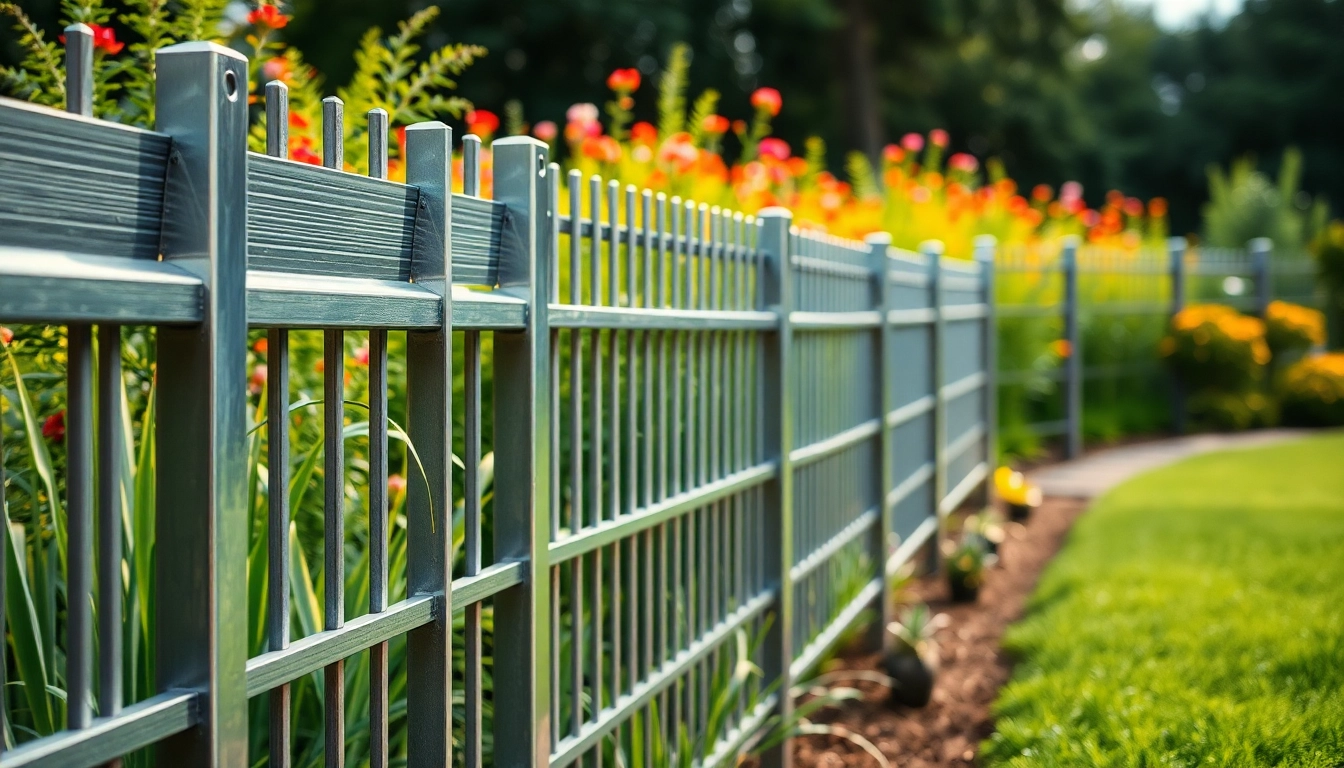
Introduction to Metal Fence Panels
Metal fence panels have gained immense popularity in recent years, thanks to their durability, aesthetic appeal, and versatility. Ideal for residential, commercial, and industrial properties, these fence panels not only serve as boundaries but also enhance security and privacy. As you consider your fencing options, understanding the various types and benefits of metal fencing will equip you to make informed decisions. Explore further at www.metalfencepanels.co.uk for more insights into the best options available.
Understanding Metal Fence Panel Types
Metal fence panels come in several styles and materials, each designed to meet specific needs and aesthetic preferences. Here are some of the most common types:
- Chain Link Fencing: Typically made of galvanized steel, this type is economical and perfect for marking property lines without obstructing the view.
- Wrought Iron Fencing: Known for its classic elegance, wrought iron is robust and visually stunning but typically requires maintenance to prevent rusting.
- Aluminum Fencing: Lightweight and resistant to rust, aluminum is a low-maintenance choice that mimics the look of wrought iron.
- Steel Palisade Fencing: This is designed for high-security areas and offers a formidable presence, usually seen in industrial contexts.
- Decorative Metal Fencing: Combining functionality with design, these panels can add a touch of artistry to your landscape.
Benefits of Metal Fencing
Investing in metal fencing provides numerous advantages that enhance both the functionality and aesthetics of a property:
- Durability: Metal fences are exceptionally resilient to harsh weather conditions, pests, and rust, leading to a long lifespan.
- Security: These fences create a strong barrier that deters intruders, making them ideal for properties that require additional security.
- Low Maintenance: Unlike wood, metal requires little upkeep, saving time and resources in the long run.
- Aesthetic Versatility: Metal fences come in various styles, allowing homeowners to select a design that complements their property.
- Cost-Effectiveness: Although the initial investment may be higher than wood or vinyl, the longevity and durability provide excellent return on investment.
Choosing the Right Material
When selecting metal for your fence, consider the following factors:
- Environment: Coastal areas, for instance, require rust-resistant materials like aluminum or galvanized steel.
- Purpose: Determine whether your fence is for privacy, security, or merely decorative purposes to choose the appropriate material.
- Budget: Assess the long-term costs, including installation and maintenance, rather than just initial expenses.
- Design Preferences: Think about how the fence will look next to your home and landscape design.
Installation Guide for Metal Fence Panels
Installing metal fence panels requires careful planning and execution to ensure a sturdy and attractive result. Follow this detailed guide to successfully install your metal fencing.
Preparing Your Site
Before installation, prepare your site by following these steps:
- Check Local Regulations: Before starting, verify any zoning laws or codes that may impact your installation.
- Mark the Layout: Use stakes and string to outline your fence perimeter based on your property lines.
- Clear the Area: Remove any obstacles like trees, shrubs, or debris that may hinder the installation process.
- Measure Accurately: Ensure you have precise measurements for the panels and posts to avoid mismatched gaps.
Tools Required for Installation
Having the right tools can significantly simplify the installation process. Gather the following tools:
- Post hole digger or auger
- Level
- Measuring tape
- Pry bar
- Hammer or mallet
- Wrench set
- Safety goggles and gloves
Step-by-Step Installation Process
Follow this step-by-step guide to install your metal fence panels:
- Dig Post Holes: Use the post hole digger to create holes for the fence posts, typically two feet deep.
- Set Posts: Place the posts in the holes, ensuring they are level and spaced according to the width of the panels.
- Fill Holes: Secure the posts by filling the holes with concrete or compacted soil, allowing it to set as per package instructions.
- Attach Panels: Once the posts are secured, attach the metal panels to the posts using brackets or bolts, ensuring they’re aligned properly.
- Finishing Touches: Inspect your work for any adjustments and ensure all panels are secure and aligned correctly.
Maintenance Tips for Metal Fence Panels
Even though metal fences are low-maintenance, periodic upkeep will prolong their lifespan. Here are some practical tips:
Regular Cleaning and Inspection
Clean your metal fence regularly to prevent dirt buildup and early corrosion. Use a mild detergent with water and a soft brush, inspecting for any signs of damage or wear during the process.
Rust Prevention Techniques
To guard against rust, apply a protective sealant or paint specifically designed for metal surfaces. Regularly inspect the base of the fence for any rust formation and address it immediately to prevent spreading.
Repairing Damage and Enhancements
If you notice bent or broken panels, replace them promptly to maintain the fence’s integrity and appearance. Consider adding enhancements like decorative caps or lattice work for an upgraded aesthetic.
Design Ideas with Metal Fence Panels
Metal fencing can be more than just barriers; they can enhance your property’s overall aesthetic. Here are various design ideas to consider:
Incorporating Landscaping with Fencing
Integrate the fence with your landscape by planting vines, flowers, or shrubs alongside the panels. This not only softens the appearance but also promotes biodiversity and wildlife habitats.
Combining Materials for Unique Designs
Pair metal fencing with materials like wood, brick, or stone to create a striking contrast that draws the eye. A combination can provide the sturdiness of metal with the warm aesthetic of wood or the rugged look of stone.
Choosing Colors and Finishes
Explore various color options and finishes for metal fence panels. While classic black or metallic shades are timeless, bold colors can make a statement. Consider powder coating which offers color variety and durability.
FAQs about Metal Fence Panels
How long do metal fence panels last?
Metal fence panels can last over 20 years with proper maintenance, offering excellent long-term investment benefits.
Are metal fence panels suitable for all terrains?
Yes, metal panels can be adapted to various terrains with proper installation techniques and additional supports where necessary.
Can I paint my metal fence panels?
You can paint metal panels, but it’s essential to use paint designed for metal surfaces to ensure durability and proper adhesion.
What are the best practices for installing metal fence panels?
Ensuring accurate measurements, using quality materials, and adhering to local regulations are key best practices during installation.
Do metal fence panels require maintenance?
While low maintenance, regular inspections and cleaning are vital to prevent rust and damage, ensuring the fence remains in top condition.


