
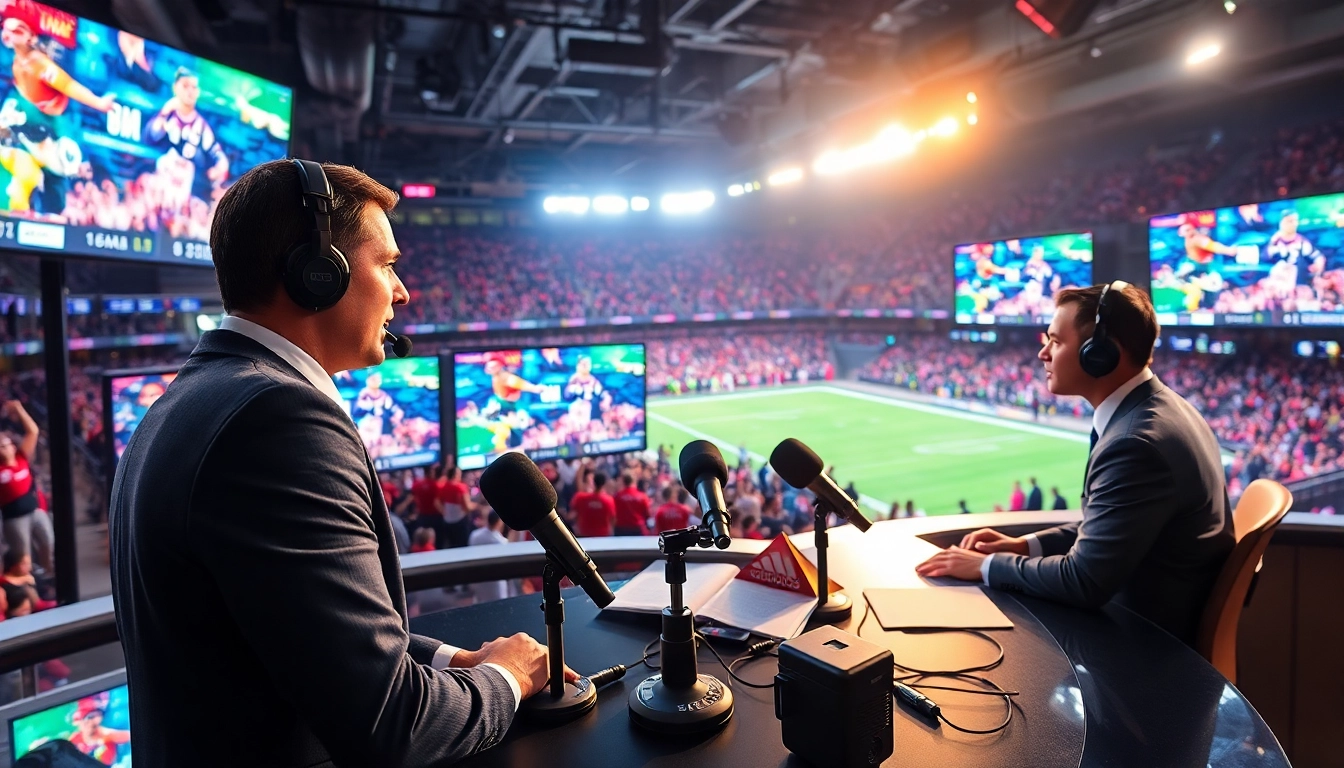
Understanding the Landscape of Sports Broadcasting
What is Sports Broadcasting?
Sports Broadcasting refers to the distribution of live sports events and related content to audiences through various media platforms, including television, radio, and online streaming services. The primary goal is to deliver an engaging and immersive experience for sports enthusiasts by providing real-time action, updates, and analysis. It plays a crucial role in enhancing audience engagement, bringing fans closer to the events they love. This dynamic field has evolved significantly over the years, influenced by technological advancements and changing viewer preferences. To stay informed about trends and strategies in Sports Broadcasting, one must understand its key components and structures.
Key Players and Stakeholders
The sports broadcasting ecosystem consists of various key players and stakeholders, including broadcasters, sports organizations, advertisers, and the audience. Broadcasters, whether traditional networks or digital platforms, are responsible for delivering content to viewers. Major sports leagues and organizations negotiate broadcasting rights, often resulting in lucrative contracts with networks. Advertisers play a vital role by sponsoring content, integrating brands into broadcasts, and funding a portion of the production costs. Lastly, the audience—the ultimate consumer—decides which content resonates with them, influencing trends, ratings, and revenue models.
Evolution of Sports Broadcasting Technologies
The evolution of sports broadcasting technologies has dramatically changed how fans consume sports. From the early days of one-way radio transmissions to modern high-definition streaming, the development of new technologies has paved the way for enhanced viewer experiences. Early television broadcasts took place in black and white, and the introduction of color revolutionized home viewing. The advent of digital streaming allowed for on-demand viewing and the rise of platforms like social media, contributing to a more interconnected audience experience. Recent developments like 4K broadcasting, virtual reality, and augmented reality continue to shape the future of how sports content is produced and consumed.
Best Practices for Effective Sports Broadcasting
Strategies to Engage Viewers
Engaging viewers in today’s competitive sports broadcasting environment requires innovative and interactive strategies. Real-time audience interaction through social media platforms can amplify engagement, allowing fans to express their thoughts during live events. Polls, live chats, and Q&A sessions are effective tools for direct engagement. Furthermore, adopting a multi-platform approach ensures that content is accessible across varying devices and formats, catering to diverse audience preferences. Personalization of content, utilizing data analytics to understand viewer habits and preferences, helps in tailoring broadcasts to better meet audience expectations.
Content Creation Techniques for Sports Broadcasting
Content creation in sports broadcasting goes beyond traditional play-by-play commentary. Effective storytelling is critical to captivating audiences. Broadcasters should focus on creating narratives that provide context, history, and character to the events being covered. Use of graphics, statistics, and player profiles can enhance storytelling and keep viewers informed and engaged. Integrating behind-the-scenes content can provide fans with exclusive insights while engaging them with the personalities involved, creating a richer viewing experience. Effective pacing and quilt editing are also essential in maintaining a captivating flow of content.
Utilizing Social Media in Sports Broadcasting
Social media has emerged as a powerful tool within the sports broadcasting landscape. Broadcasters can leverage these platforms to extend the reach of live events, providing clips, previews, and highlights that entice viewers. Engaging audiences with real-time updates, interactive polls, and exclusive behind-the-scenes content fosters a sense of community and encourages fan participation. Developing an integrated strategy that combines broadcast and social media efforts can lead to increased viewer loyalty and higher engagement levels. Additionally, collaborations with influencers and athletes can further amplify reach, tapping into their wider follower bases.
Challenges in Sports Broadcasting
Handling Live Event Coverage
Live event coverage presents unique challenges for sports broadcasters, including unpredictable changes and the need for seamless execution. Weather disruptions, player injuries, and unexpected changes to event schedules can complicate live broadcasts. To address these challenges, broadcasters must maintain robust contingency plans and adapt quickly to changes. Employing skilled producers and technicians who can respond in real time is crucial. Additionally, clear communication with audiences through social media can help manage expectations and maintain viewer satisfaction during unforeseen circumstances.
Balancing Commercials and Content
Striking a balance between advertising and content is vital in sports broadcasting. While commercials generate substantial revenue, excessive ad breaks can alienate audiences. Broadcasters must ensure commercials are presented without detracting from the viewing experience. Creative solutions such as integrating product placements within the content or offering shorter, dynamic ad formats can enhance viewer retention while still delivering necessary revenue. Data analytics can also help in understanding viewers’ tolerance for advertising, enabling broadcasters to adjust strategies accordingly.
Technological Limitations and Solutions
With the rapid advancement of technology, sports broadcasters face several challenges, including bandwidth limitations, latency issues, and varying levels of viewer technology. These obstacles can affect the quality of service delivered to audiences during live events. To mitigate these challenges, broadcasters should invest in scalable technologies that can adapt to varying audience demands, such as cloud-based broadcasting and adaptive bitrate streaming. Keeping abreast of emerging technologies and trends helps in implementing the right solutions for delivering high-quality experiences to viewers.
Future Trends in Sports Broadcasting
Impact of AI on Sports Coverage
Artificial Intelligence (AI) is poised to revolutionize sports broadcasting through enhanced analysis, content creation, and viewer engagement strategies. AI can process vast amounts of data to provide in-depth insights into player performance, game strategy, and viewer preferences. Automated highlights and real-time analytics can enhance the broadcast experience, making it more interactive and engaging for audiences. Leveraging AI tools for personalized content recommendations can also lead to improved viewer satisfaction and loyalty.
Evolving Viewer Preferences and Engagement
Viewer preferences are in constant flux as technology evolves. Today’s audiences seek more than just passive viewing experiences; they desire interactive and immersive content. Enhancements such as multi-angle viewing, augmented reality (AR) overlays, and interactive statistics will become more prevalent in broadcasts. Understanding audience preferences is crucial for broadcasters to develop strategies that resonate with viewers. Regularly analyzing audience feedback and engagement metrics will enable broadcasters to adapt and innovate continuously.
The Role of Virtual Reality in Sports Broadcasting
Virtual Reality (VR) has the potential to fundamentally transform sports broadcasting, providing audiences with interactive and immersive experiences. By simulating the feel of being present at the event, VR can enhance viewer engagement, making them feel part of the action. Broadcasters exploring VR must consider factors like cost, content production, and audience accessibility. Partnerships with technology firms and investment in VR capabilities will help broadcasters to stay ahead in delivering cutting-edge experiences that captivate audiences.
FAQs on Sports Broadcasting
What is the main purpose of Sports Broadcasting?
Sports Broadcasting aims to deliver live and recorded sports events to audiences via television or online platforms, enhancing audience engagement.
How has technology changed Sports Broadcasting?
Technology has introduced HD and 4K streaming, instant replays, and multi-camera angles, making coverage more engaging and interactive.
What are common careers in Sports Broadcasting?
Careers include sports commentators, producers, video editors, sports reporters, and analysts, each playing a crucial role in content delivery.
How do networks decide which events to broadcast?
Networks analyze audience demand, contract negotiations, and the potential for advertising revenue to determine broadcasting rights for events.
What trends should we expect in Sports Broadcasting?
Expect increased use of data analytics, mobile broadcasting, and immersive experiences like VR to create more engaging live sports experiences.